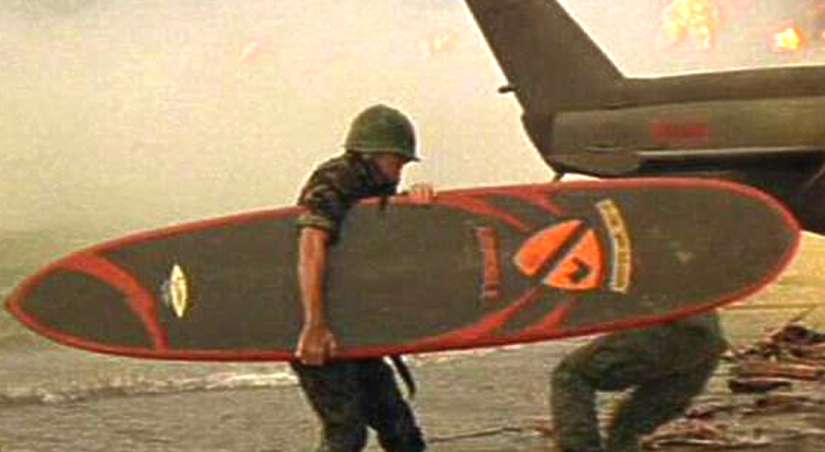
When I was 4 or 5 my parents had some friends over for a barbecue. Everyone was milling around in fine barbecue fashion, and then the radio played a song I’d never heard before. It was amazing! There was somebody laughing and then helicopter sounds, but it didn’t have any lyrics.
I planned to ask Mom and Dad what the song was, but they were busy doing things and I forgot.
A couple of days later Mom was putting something on the record player, and I remembered the barbecue and said, “Play The Helicopter Song!”
“The what?” Mom said.
“The Helicopter Song! There was a guy laughing and helicopters! And there weren’t any words!” Mom had no idea what I meant. I did, but I couldn’t describe it well enough. I gave up, frustrated.
A couple days later we were driving somewhere and the helicopter song came on the radio.
“That’s The Helicopter Song! That’s The Helicopter Song!” I yelled.
“That’s the song you meant?” Mom asked.
“Yeah! It’s The Helicopter Song!”
And it turned out that the helicopter song was… (drum roll])1
“Wipeout,” by The Surfaris.
Lemme ‘splain: When I was a kid in the early 1960s, we lived in Topeka, KS, about 7 miles north of Forbes Air Force Base. Aircraft often flew right over us coming to and from Forbes; usually heavier cargo aircraft. Once, in about ’89 or ’90, everyone in Topeka got to watch a brand-new Air Force One land at Forbes for the first stop in its inaugural test flight, fuel up, and take off again.
This was much earlier, though; maybe 1967 or ’68. The war in Vietnam was raging along full blast, and we often heard large choppers flying thumping along overhead: long-range special-ops copters like the Sikorsky MH-53, aka the Jolly Green Giant, or Boeing CH-47 Chinook dual-rotor heavy cargo helicopters.
It happened often enough that I didn’t consciously listen to them, but they still made a hell of a lot of noise.
And so it happened that when I heard “Wipeout,” the long drum breaks, heavy on the bass and toms, reminded me of all the big choppers flying overhead.
I didn’t know how to explain this when I was so young. So years later, when I was in my early 20s, a friend of mine was showing me how to play “Wipeout” on guitar, and I suddenly remembered: THE HELICOPTER SONG!
I told Mom and Dad about it, but they didn’t remember any of this.
So either I’m hallucinating or The Surfaris tricked me.
I owe John Denver a debt of gratitude, and not just because he did us all a favor when he accidentally killed himself in a plane crash.
No, wait. That’s entirely too snarky and cynical, even for me. Denver was an amazing songwriter, musician and performer; really he was. Let’s just say my relationship with him was a bit rocky1 for a few years.
Our story begins with Denver’s birth: John Denver was his stage name; his given name was Henry John Deutschendorf Jr., and he was allegedly born in 1943, in Roswell, New Mexico.
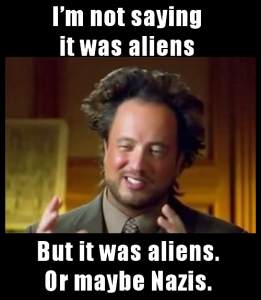
Based on his given name and place of birth, there are only two possible conclusions that can be drawn:
He was a Nazi, and smart enough to get out of Germany a few years before his compatriots, change his name, get a fake birth certificate, but not hide in South America, or
He was an alien who got stranded on Earth, like E.T.
I’m firmly in the alien camp, and here’s why: No Nazi could release 33 albums of award-winning music without a single tuba or accordion appearing in any of his songs.
And maybe he died in a plane crash. Or maybe it’s like Elvis in Men in Black, and he just went back home.
But as further proof I offer his album covers. About half of them were, I believe, coded distress signals to his home planet. He was trying to “phone home,” to coin a phrase.
No, really. Check out these highlights:
John Denver Sings, 1966:
Looks like a collage of Most Wanted mug shots. But Denver was still learning how to mimic humans; it’s possible he thought Most Wanted meant Most Popular.
Take Me to Tomorrow, 1970:
What’s he doing here, stalking the Unabomber? It sure looks like he’s peeking into the Unabomber’s cabin. And that soulless, blank stare could have belonged to Jeffrey Dahmer.
But the title’s the clincher: Take Me to Tomorrow. Yeah; that’s an alien asking the Unabomber if he can build a time machine or maybe a warp drive engine.
Whose Garden Was This, 1970
Some people can get away with bare-chested portraits. John Denver was not one of them. Especially not when his scrawny, pale geek chest was superimposed over some ancient relic looking a lot like the alien ship in Indiana Jones and the Kingdom of the Crystal Skull.
Aerie, 1971
Denver cuddles with his pet vulture and watches the sunrise. He appears to be shirtless again.
Or given the album title, maybe it’s an eagle and they’re sitting in the eagle’s nest. Which would make Denver an eaglet.
This is getting creepy.
Farewell Andromeda, 1973
Definitely a cry for help. He’s staring off into space with a bunch of ghost animals sitting on his hat, and somewhere along the way he stole Kirk Douglas’ chin.
But now we at least know which galaxy he was from.
Denver released some new material over the next ten years or so, but mostly he coasted on greatest hits and holiday albums, until…
One World, 1986
Neptune’s nose nuggets! What the hell is he doing? Standing on the surface of the Sun?
(Now we know where James Cameron got the idea to kill both Terminators in a bathtub of melted steel at the end of T2: Judgement Day.)
Having now proven John Denver was an alien, lemme loop back to the part about how I owe him a debt of gratitude.
In September 1975, Denver released Windsong, the cover art of which looks mostly human. The tracks did include a couple of alien hints, such as “Looking for Space” and “Fly Away.”
In Windsong, Denver also sang a song to a boat. Not a song about a boat; a song to a boat. It was titled “Calypso,” which was also the name of a boat owned by famous oceanographer Jacques Cousteau (not to be confused with the bumbling detective in the Pink Panther movies).
Yep—“Calypso” was a love song to the boat of the same name, complete with nautical sound effects: seagulls, waves, bells ringing, cabin boys getting buggered, crew members puking over the rail; all that fun stuff.
First Sister and Mom had both been hopelessly in love with Denver ever since he released Rocky Mountain High, but Mom went thoroughly insane over “Calypso.” She wanted to listen to “Calypso” All. The. Time.
I can’t criticize her for that; we’ve all gotten obsessed with a song or album and played it around the clock. It’s easier when you’re stoned, but still. I was 12 that fall; I liked John Denver too, but not quite at the Beatlemania level Mom and First Sister did. Thing 1 and Thing 2 liked him too, but without any screaming or fainting.
Mom had bought the album, but she also bought the single for “Calypso.” It was the B side of “I’m Sorry,” which you should consider dramatic foreshadowing.
Like this, except uglier.
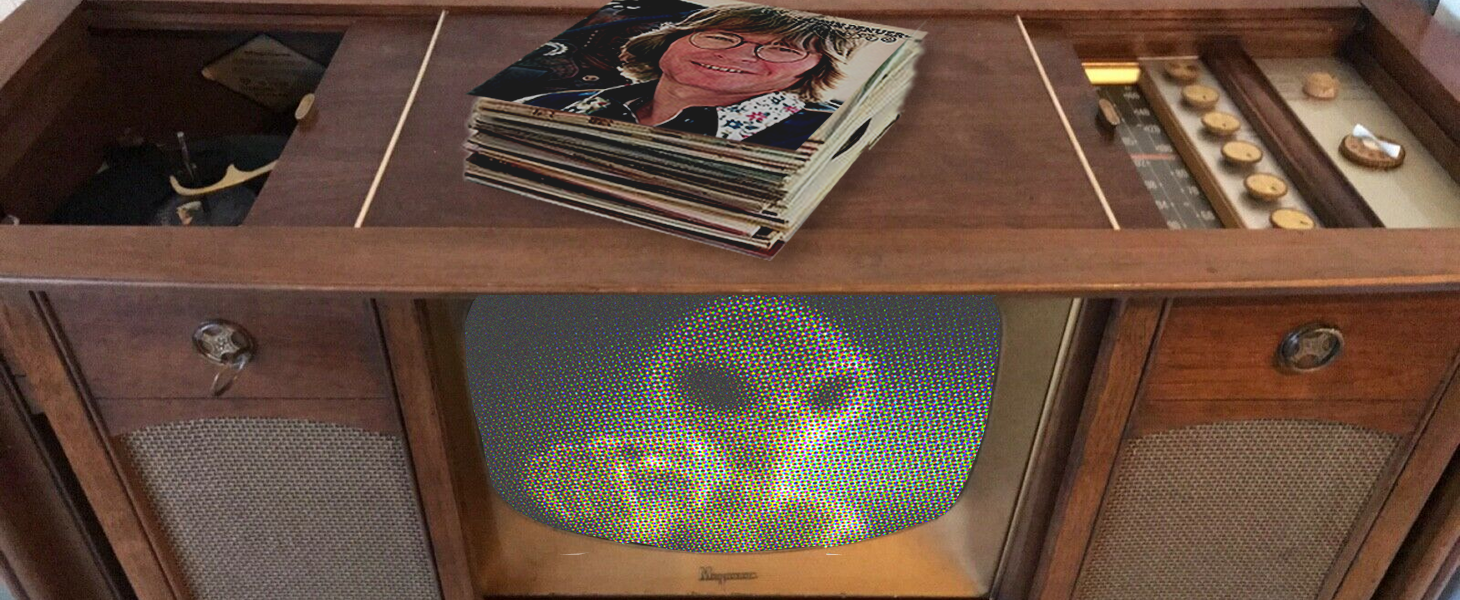
And every morning when Mom rousted us all out of bed to get ready for school, “Calypso” was already on the record player in the living room. (Remember the huge TV-radio-record-player consoles popular at the time?)
She would put the single on the turntable, put the little arm doohickey in the middle so the record player played the single over and over, wake us all up, then bustle around like a Stepford wife, humming and singing and fixing breakfast so cheerfully it tempted me to stick a finger down my throat, barf on my breakfast, and claim I was sick so I could go back to bed.
It wasn’t just the abominable cheer, though. It was “Calypso.” I liked the song at first. But it usually took everyone about 45 minutes to get up, have breakfast, apply teethbreesh and get out the door. During which time “Calypso” played at least a dozen times.
After a couple days of this, I hated waking up, I hated “Calypso,” I hated John Denver, I hated Jacques Cousteau, I hated Jacques Cousteau’s stupid boat, I hated the record player, and I hated breakfast. My sisters didn’t seem to mind the song, but I have the attention span of a squirrel on crack, so it didn’t take long for me to get tired of “Calypso.” I didn’t want to ruin it for everyone else, so I didn’t say anything.
I’m not sure how many days we breakfasted to “Calypso”; maybe four or five. But one morning, 10 minutes into yet another “Calypso” marathon, Dad got up, went into the living room, opened the record player lid, and scuttled “Calypso” with that glorious teeth-on-edge SKVRRRRYK! sound of a record being terminated with extreme prejudice.2
Dad came back into the kitchen, grabbed his lunch box, kissed Mom and wished us all a good day, and left for work as my sisters and I sat openmouthed in shock.
Mom and Dad weren’t perfect; they disagreed or argued occasionally. They never had any serious drama or the kind of fights that make the kids hide under their beds. If anyone had said they wanted to listen to something else, Mom would have been happy to put on something else. She isn’t the selfish type of person who wants what they want, but doesn’t care about anyone else. She loved “Calypso” and found it joyful and uplifting and she wanted everyone else to feel joyful.
And Dad rarely raised his voice, much less lost his temper or started breaking things.He’d obviously had his fill of “Calypso,” but I think he was just being ornery and silly when he stopped the record.
I do know he didn’t scare any of us; we were just gobsmacked, and it took about 3 minutes for the incident to become a family joke: Someone would turn on the TV or ask Mom or Dad permission to play a record; the rest of us would yell, “Not ‘Calypso’!”
So yeah, John Denver got a lot of airtime in our house.
A few years before The Calypso Incident, a song on one of Denver’s alien-art albums caught my attention: It was Farewell Andromeda, and the song title was “Please, Daddy (Don’t Get Drunk This Christmas).”
It’s from the perspective of a little boy whose Christmas memories were of Daddy coming home at midnight Christmas Eve and passing out under the tree, or his mom smiling bravely and shooing the little boy upstairs as his dad arrived home, laughing and hollering drunkenly; the implication being Daddy’s going to be smacking Mommy around a bit.
Here’s an odd thing: I thought the song was hilarious. I was 10 and when the song played I thought it meant Daddy was up too late assembling gifts and fell asleep under the tree. I pictured Daddy as a lovable doofus, not a violent alcoholic.
There’s an old saying, rumored to be a Chinese curse: “May you live in interesting times.” It almost sounds like a blessing until you think about it. Thanks to World War II, for example, the 1940s are far more interesting than the 1950s.
I had no frame of reference with which to understand “Please, Daddy (Don’t Get Drunk This Christmas)” because my childhood was not interesting—no violence, no alcoholics, no abuse. Nothing interesting at all.
I’m boring, but that’s not a bad thing. Sometimes boring is good.
I guess it’s not John Denver who deserves that debt of gratitude.
I still wonder if he was an alien, though, what with all his bare-chested weird album cover art.
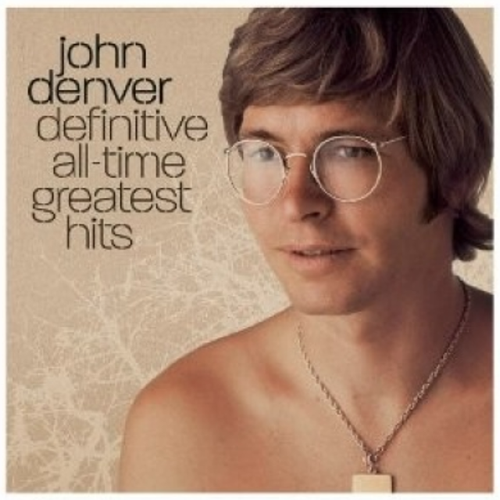
There’s a posthumous collection of his best music that came out in 2004, 7 years after his fatal plane crash. It’s even titled as such: John Denver: Definitive All-Time Greatest Hits.
This offered a priceless opportunity to define his body of work and career, to shape his legacy once and for all, so here’s hoping they chose cover art that avoids the weirdness of some of his earlier albums, and—
This post is about a song by The Righteous Brothers. I don’t know if they really were righteous, but I do know they weren’t brothers, so I guess I report, you decide. If you’re the churlish tl;dr type who can’t wait till the end of this post to hear the song, it’s down at the bottom, but if you skip the whole post like that you can’t be my friend or come up in my tree fort anymore.
If you’re under 45, chances are the only time you’ve been exposed to the Righteous Brothers was in the movie Ghost, or possibly in Top Gun.
In Ghost, The Righteous Brothers’ “Unchained Melody” plays while Demi Moore is sculpting a vozz, and Patrick Swayze sits down behind her and the vozz gets ruined and they get slimy wet clay all over themselves.
In Top Gun, The Righteous Brothers’ “You’ve Lost That Lovin’ Feeling” plays on a jukebox once or twice, along with the fighter pilots singing “Great Balls of Fire” and Kenny Loggins singing “Danger Zone” and the pilots playing half-naked volleyball and flying around really fast and in general sloshing buckets of sweat and testosterone off the screen and all over the audience.
The Righteous Brothers were were a hugely successful white crooner/extremely white doo-wop duet in the late ‘50s and early ‘60s. And since this post is about The Righteous Brothers, I’d like to talk about The Partridge Family.
The Partridge Family was a TV show about a fictional musical family loosely based on the real musical family The Cowsills, who not only had a hit with the song “Hair,” from the musical with the same name, but also got me very confused when was a kid, because it seemed to me that if a cow has sills, it should also have windows.
So anyway, The Partridge Family was neither a family nor a band. It was a TV show with a bunch of actors pretending to be a band that didn’t exist, except they did kind of exist because you could go to Woolco or Sears and buy 45 RPM singles labeled The Partridge Family, even though the songs were performed by David Cassidy with a band of generic musicians, which conspicuously lacked a 10-year-old bassist and a 7‑year-old drummer.
My dad hated The Partridge Family. He also hated The Jackson 5, The Osmond Brothers, The Carpenters, the Monkees, The Righteous Brothers, and Bobby Sherman (who, on a side note, originally leased the custom-built Boeing 720 that Led Zeppelin used and was seen in the 1976 film The Song Remains the Same, which was about a Led Zeppelin concert in New York City in 1973).
Dad did not hate any of these musicians for their music. As far as he was concerned, they were just noise. Dad was like Bob’s wife, who worked at Bob’s Country Bunker in The Blues Brothers and who, when asked about what kind of music she liked, replied, “Both kinds: country AND western!”
What Dad hated was their faces. He also hated 3M, the company that produced Scotch Tape, and the magazine Tiger Beat.
Cowsills and God?
Tiger Beat profiled young musicians and actors as long as they were safe-looking relatively short-haired guys (which is why Led Zeppelin and Alice Cooper and The Doors never appeared therein).
Scotch Tape sold the tape my sisters used when they scissored Tiger Beat into confetti once a month in order to tape headshots of that month’s dreamiest teen idols all over their bedroom doors, then rip them all off to tape up the head shots from the next month’s issue, which was rapidly stripping the finish off the doors.
After school one day my mom asked me to go fetch her cigarettes from her room. The cigarettes were on her nightstand; as I picked them up I glanced at a 45 RPM single next to the cigarettes. It was a single by The Partridge Family titled “One Night Stand.”
I was 9 and not too sharp on the subtler nuances of grammar and spelling, so when I saw the single “One Night Stand” on the nightstand, my first thought was Why would anyone sing a song about a piece of furniture? 3
So I grabbed the single, along with the cigarettes, and asked Mom why The Partridge Family had a song about a nightstand, which led to an awkward, unsatisfying explanation about how a one night stand was when two people went to go see a movie together, but then decided not to see any more movies together.
I never did find out why the single was on Mom’s night stand.
Fast forward two years to the summer of ’74. I was 11 and had vaguely figured out that a one night stand was a very brief romance, and the reason the guy and the girl didn’t want to see any more movies together was because they didn’t like kissing. Prepubescent me understood that, because girls were yucky and kissing was stupid.
We vacationed in Colorado that summer. The Righteous Brothers had just released a song titled “Rock and Roll Heaven,” and it was getting heavy airplay, at least once an hour all the way there, all day every day we were there, and all the way back.
If you’ve never heard “Rock and Roll Heaven,” it’s a tribute to the legacy of musicians who had passed on, including Jimi Hendrix, Janis Joplin, Jim Morrison, Jim Croce, Bobby Darin, and Otis Redding.
I didn’t get most of the references other than Jim Croce and Janis Joplin; “Bad Bad Leroy Brown” had been a big hit the previous year. Joplin had appeared on the Tom Jones variety show, which my mom loved (and I snicker a little bit now, but at least she didn’t throw panties at the TV).4
I also recognized the reference to “Light My Fire,” but I’d seen Anthony Newley singing it on a variety show and I thought it was his song.
I loved “Rock and Roll Heaven” on its own merits; still do. But what made it so cool at the time was the chorus:
If you believe in forever
Then life is just a one night stand.
If there’s a rock and roll heaven
Well you know they got a hell of a band!
Part of it was the puerile thrill of someone on the radio singing the word “hell,” which was still mildly naughty, but what made the biggest impression was that for the first time I can remember, I connected with lyrics that used a simile to touch on a much deeper truth: Compared to eternity, life is short. Blink-and-you’ll-miss-it short. And maybe someday those who touched our lives but have since passed on—well, maybe someday we’ll see them again. And in the meantime we can remember them by celebrating their lives and legacies.
MTV didn’t exist in 1974, but thanks to Midnight Special and American Bandstand, you could occasionally see a music video or live performance of hit songs.5
I didn’t know “Rock and Roll Heaven” had a music video until the other day, when I stumbled across it on YouTube. And just like that, a song I hadn’t thought of for more than 40 years was back, with all the influence and emotion it generated back then.
So I now present to you, all the way back from 1974, The Righteous Brothers’ “Rock and Roll Heaven.”
Time travel can be brutal, though: In this case, try not to think about how unbuttoned shirts and bell-bottomed leisure suits and lapels wider than your shoulders were once unbearably cool.
During our ’74 summer vacation, Dad found “Rock and Roll Heaven” annoying, even though The Righteous Brothers weren’t Tiger Beat material, and he kept tuning to something else when it came on. I would yell, “Turn it back on! I love that song!” from the back seat.
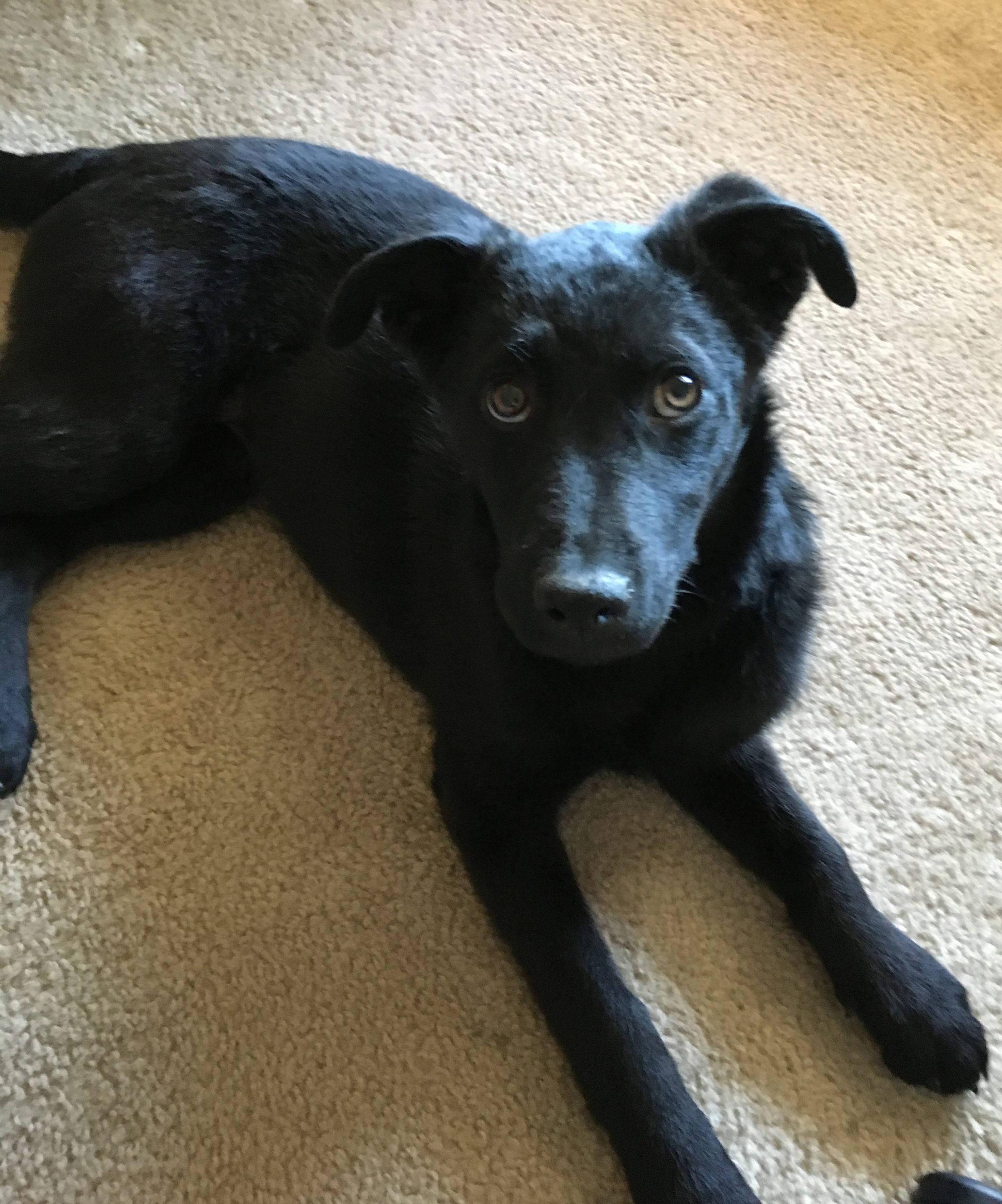
Our dogs got into a fight Monday. They say not to break up a dog fight, but I’m not gonna sit and watch them fighting in the living room.
Sasha provoked a number of fights with Pepper over the last year; Pepper would grab Sasha by the scruff of her neck and just pin her down while Sasha snapped and snarled. We’d grab a towel or blanket and cover Sasha’s head, then grab their collars and pull them apart when they started to calm down.
We’d been dithering about Sasha’s behavior and what to do. She’s totally sweet and loving with people, but for some reason she turns the normal play fights dogs have into real fights.
I looked into no-kill or rescue shelters in the area, but no one wanted to rehome a dog with the stipulation that she had to be an only pet. They all had lengthy waiting lists anyway.
Pepper’s our bigger dog; she’s a Catahoula Leopard Hound and she’s insanely powerful. Sasha’s a Black Lab/mumblesomething mix. If Pepper wanted to hurt Sasha she could have ripped her to pieces, but all she ever did when Sasha attacked her was pin her down like Sasha was a puppy.
Anyway, when they fought on Monday I pulled the blanket over Sasha’s head and Best Half grabbed Pepper’s collar; as we started to gently pull them apart, Sasha pulled herself loose from Pepper’s grip and tried to lunge at Pepper again. My left arm got in her way as I was trying to pull the blanket around her, and she bit my forearm.
Pepper pushed forward and pinned Sasha back down again, but much harder this time. I pulled Sasha away again and she howled.
I got her in a bear hug and held her while Best Half put Pepper in her kennel; Sasha stopped struggling, so I moved the blanket to see if she was hurt.
She had a superficial cut on the back of her neck, but as I tried to examine it I realized she hadn’t just nipped me; she’d bitten me three times. I had two good chomps on my forearm with five or six punctures, and then a really nasty puncture between my index and middle finger knuckles.
We cleaned the punctures and I would have been okay with bandaging them up, but the puncture on my hand was too deep. I tried to approximate the edges and see if butterfly tape could close it, but no good.
So we went to the ER. They sutured me up and sent me home.
Animal Control called Tuesday morning, as I expected. The officer said he needed to come assess the situation and that Sasha would have to be quarantined for 10 days, but he thought we could probably do that at home.
I told him about their previous fights; I’d gotten a minor nip during a previous one; Best Half got a nip and a jammed finger in a different one; Pepper had gotten a little tear on her ear in yet another one. The little nips here and there had progressed into more serious injuries. We were heartbroken, but it was just too risky to keep Sasha anymore.
I said I didn’t know what to do; we were seriously considering putting her to sleep since we couldn’t rehome her or get her into a no-kill shelter.
Turns out the Prescott Valley Humane Society is a no-kill shelter, and Animal Control could take her there with the condition that she needed to be placed with a family as an only pet.
Sasha was already a rescue dog; we’d adopted her from the Coconino County Humane Society. She’d been found living ferally on reservation land (I found out that happens so often they actually have “Rez Dog” listed as a breed in Animal Control’s database). She was in rough shape; she had a nasty case of demodectic mange and seemingly every species of worm there is.
When we adopted her, she’d been spayed, dipped and dewormed, and she just needed TLC, rest and food. She was 7 months old but she didn’t have puppy breath; her breath smelled like feces and gasoline from the worm meds. Her fur was brittle and greasy, she was still skinny, and she was afraid of everything. The dogs sleep on my bed, but for the first few months Sasha slept under the bed where Pepper and I couldn’t reach her.
I wanted to name her Dobby, after the house elf in the Harry Potter movies. She had big floppy ears and looked perpetually nervous. I was voted down.
We gave her a nice gentle oatmeal bath and just let her rest in her kennel as much as she wanted; she seemed to feel safer in it. She didn’t take long to blossom into a wonderful dog, crammed with energy and personality and the goofiness all dogs have. She’s one of those dogs who talk at you when they’re excited, the way Huskies are famous for. She liked sticking her nose under the water in her water bowl and blowing bubbles.
Until couple of months ago, we were enjoying her and looking forward to a long, happy life with her.
So the officer came to the house and I signed the paperwork surrendering her to the Humane Society. I gave him Sasha, her medical records, the info on her chip and her favorite blanket.
And then she was gone.
We’ve been wrestling with the feeling that we made a bad choice, or that we failed her or gave up on her.
When you adopt a dog, though, you’re taking responsibility not only to provide for her, but also to do right by her when it’s time to make tough decisions on her behalf.
She’s only 3; I thought those tough decisions would be years away when she was old and the time had come to free her from suffering at the end of a long, happy life. I never imagined the tough choice would be to pick her up, put her in a cage in an animal control van, and close the door on her puzzled-but-trusting face.
All I can do is believe we adopted her when she needed it, and we nursed her to health and enjoyed her for a time, but that time drew to a close, and we had to send her on to be someone else’s beautiful, goofy, loving dog.
 Based on his given name and place of birth, there are only two possible conclusions that can be drawn:
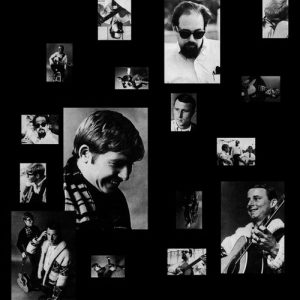 John Denver Sings, 1966:
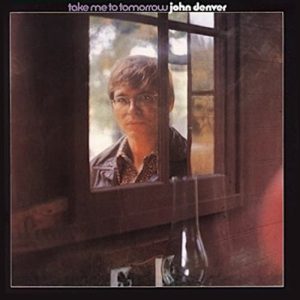 Take Me to Tomorrow, 1970:
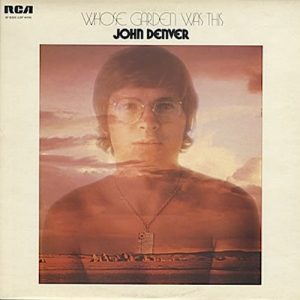 Whose Garden Was This, 1970
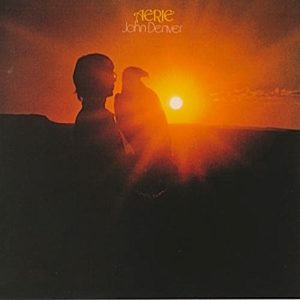 Aerie, 1971
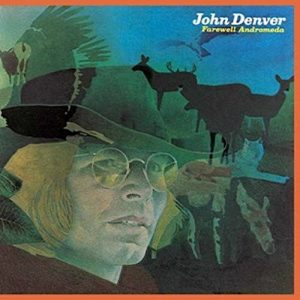 Farewell Andromeda, 1973
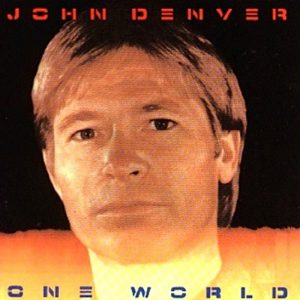 One World, 1986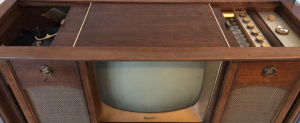
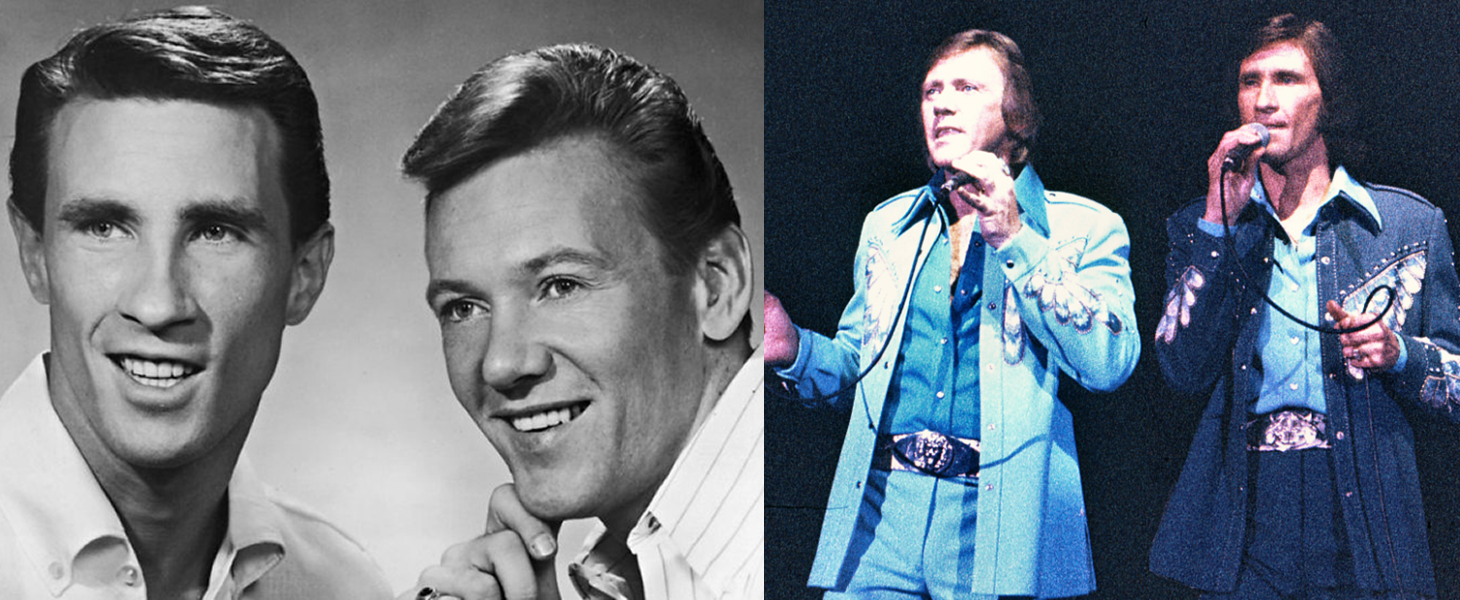
 So anyway, The Partridge Family was neither a family nor a band. It was a TV show with a bunch of actors pretending to be a band that didn’t exist, except they did kind of exist because you could go to Woolco or Sears and buy 45 RPM singles labeled The Partridge Family, even though the songs were performed by David Cassidy with a band of generic musicians, which conspicuously lacked a 10-year-old bassist and a 7‑year-old drummer.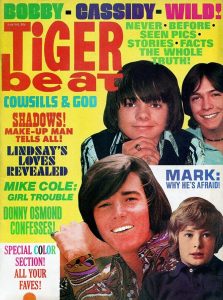
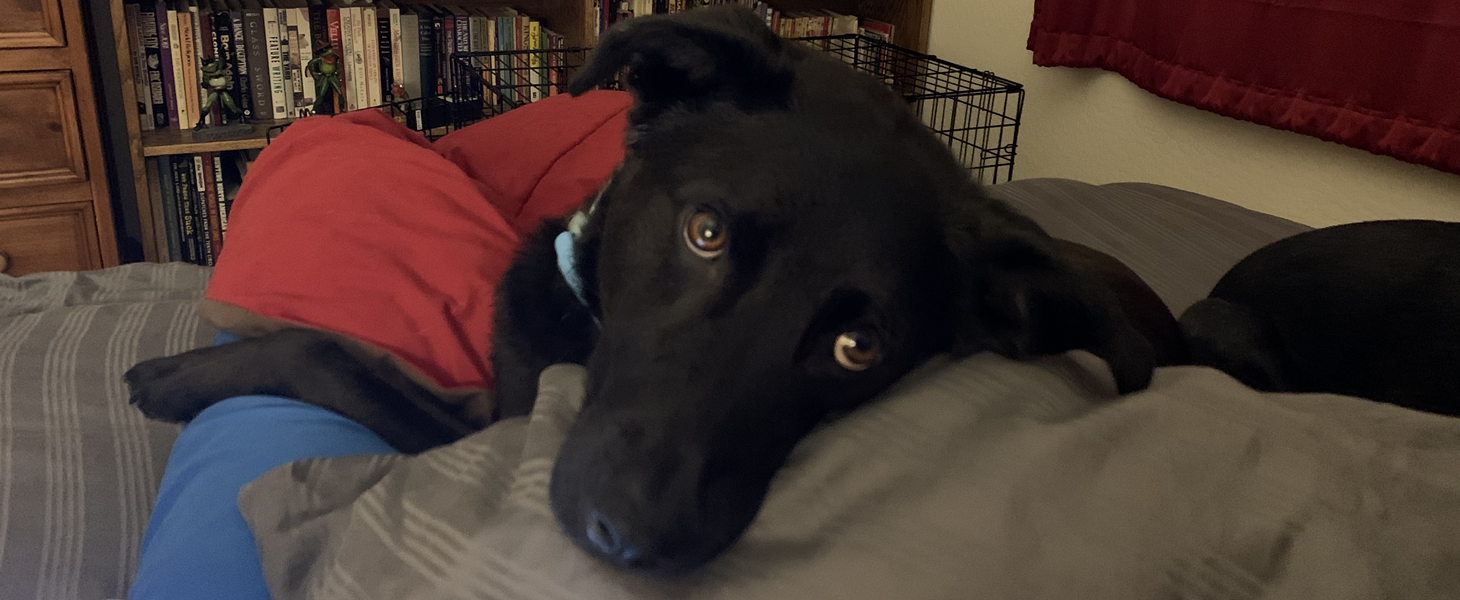
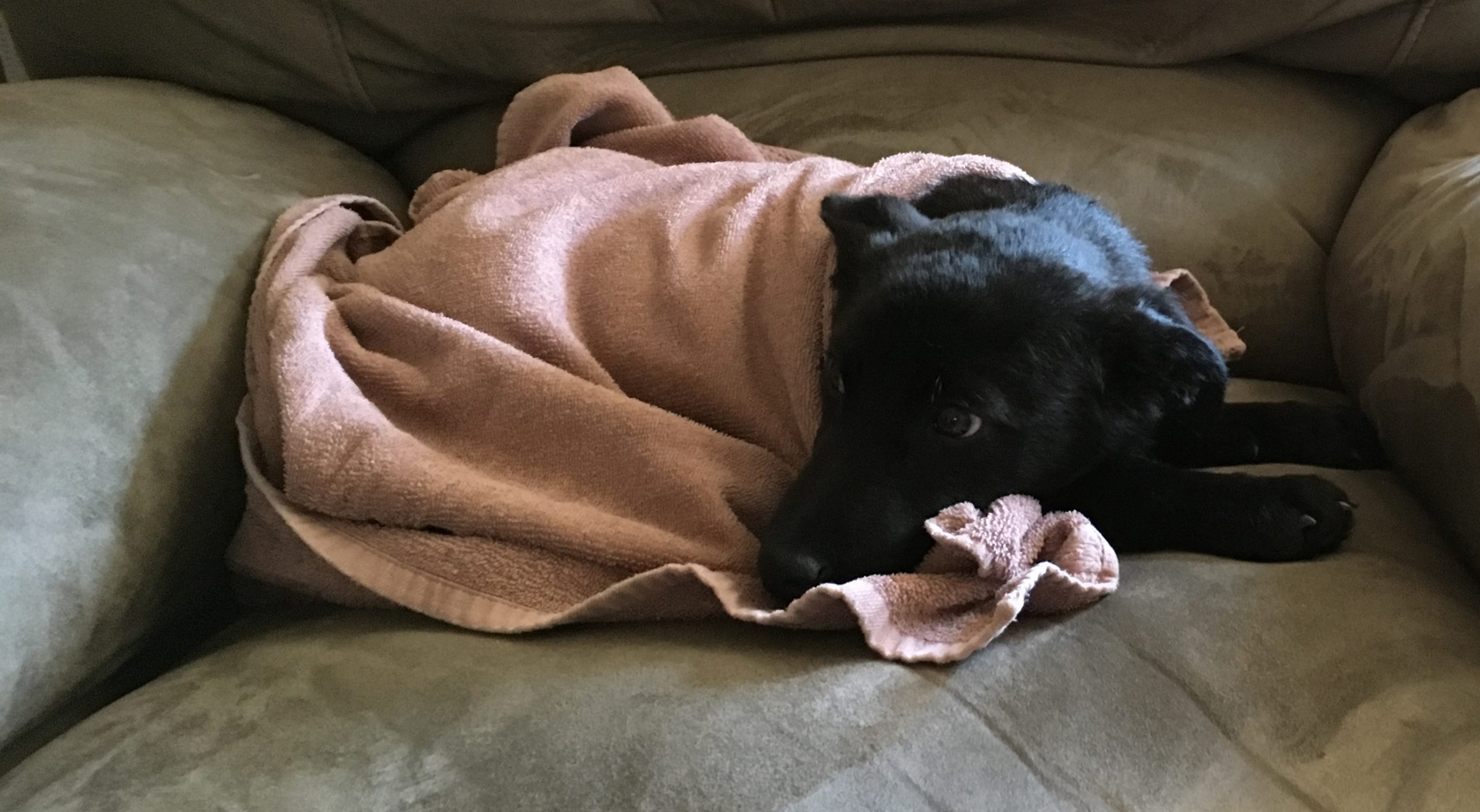 Sasha was already a rescue dog; we’d adopted her from the Coconino County Humane Society. She’d been found living ferally on reservation land (I found out that happens so often they actually have “Rez Dog” listed as a breed in Animal Control’s database). She was in rough shape; she had a nasty case of demodectic mange and seemingly every species of worm there is.
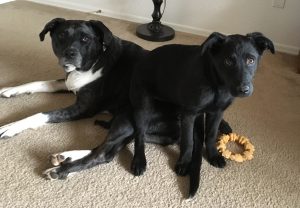 We’ve been wrestling with the feeling that we made a bad choice, or that we failed her or gave up on her.